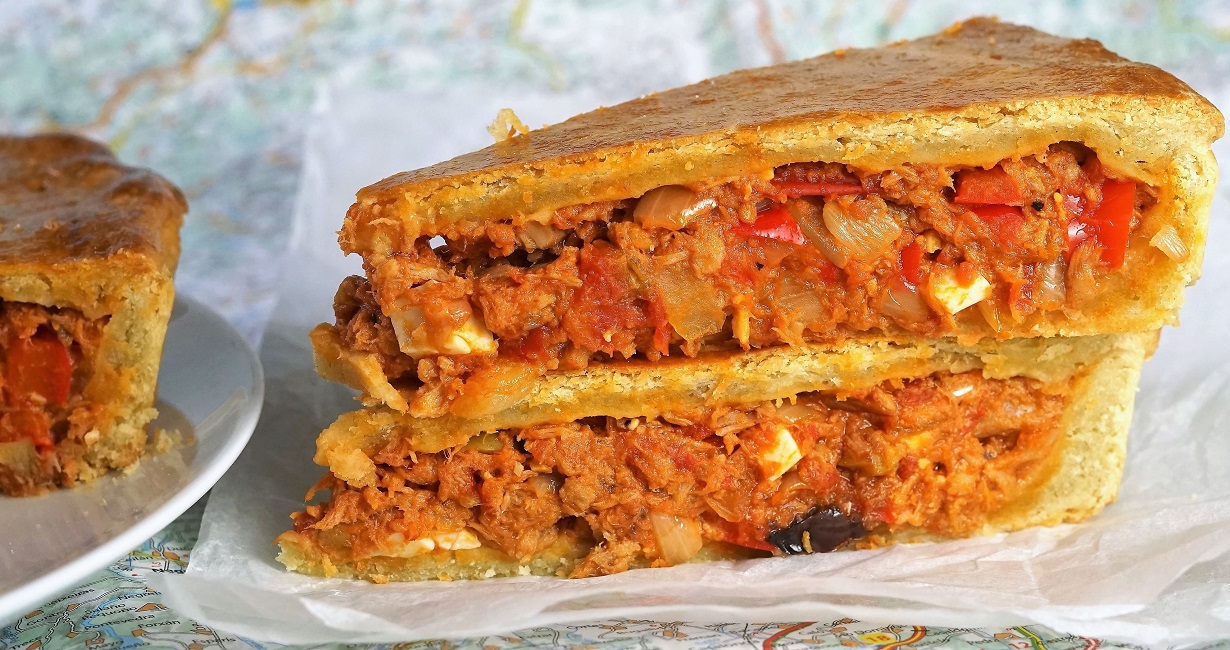
In the vast tapestry of global cuisine, some dishes transcend mere recipes to become true culinary institutions. Among these cherished creations is the humble yet magnificent tuna pie, known affectionately in Spanish-speaking countries as Tarta de Atun. Far more than just a quick meal solution, this savory tart embodies a delightful journey from a fleeting European trend to an enduring staple in countless kitchens worldwide. Its story is one of adaptation, affordability, and irresistible flavor, making it a beloved choice for any occasion.
The European Savory Pie Renaissance: From French Quiches to Global Craze
The roots of the modern savory tart, including our beloved Tarta de Atun, can be traced back to a culinary movement that swept across Europe decades ago. This renaissance was largely spearheaded by the French quiche, a dish that masterfully combined a crisp, buttery pastry crust with a rich, creamy filling. The quiche's popularity demonstrated the immense potential of savory pies – they were comforting, satisfying, and incredibly versatile, capable of being transformed with a myriad of ingredients.
As the fame of these French delights spread, kitchens across the continent began to adopt and adapt the concept, infusing it with their own regional flavors and readily available ingredients. What began as a sophisticated French export soon evolved into a pan-European phenomenon, with each country putting its unique stamp on the savory pie. It was within this vibrant context of culinary innovation that the stage was set for the emergence of a truly special dish, one that would leverage an accessible and flavorful ingredient to become a household name.
The Unstoppable Rise of Tarta de Atun: A Quintessential Culinary Staple
Amidst the burgeoning popularity of savory tarts, Tarta de Atun carved out its own formidable niche, particularly in Spanish and Latin American kitchens. Its ascent to culinary stardom was no accident; it was a perfect storm of practicality, affordability, and universal appeal. At its heart lies canned tuna, a pantry hero known for its long shelf life, cost-effectiveness, and robust flavor profile.
The genius of the tuna pie lies in its simplicity and adaptability. Home cooks quickly embraced it as a "quick and delicious solution" for any day of the week. It’s incredibly easy to prepare, relying on readily available ingredients that can be assembled with minimal fuss. This ease, combined with its economic advantages, made the Tarta de Atun an undeniable winner for families looking to create wholesome, satisfying meals without breaking the bank or spending hours in the kitchen.
Beyond its practicality, the versatility of this savory tart is a key factor in its enduring popularity. Whether served as a hearty main course alongside a crisp green salad, sliced into elegant smaller portions for an appetizer, or packed for an informal picnic or beach outing, it consistently delivers. Some enjoy it warm and fresh from the oven, its flavors melding beautifully, while others prefer it chilled, finding it equally delightful and refreshing. This ability to adapt to different occasions and preferences cements its status as a true culinary chameleon.
Mastering Your Tarta de Atun: Tips, Twists, and Culinary Creations
While the basic premise of Tarta de Atun is straightforward – a pastry shell filled with tuna and a creamy binder – there are endless opportunities to personalize and elevate this classic dish. Understanding these nuances can transform a simple meal into a memorable culinary experience.
Choosing Your Crust
The foundation of any great savory tart is its crust. For Tarta de Atun, you generally have two popular options:
- Masa Quebrada (Shortcrust Pastry): This provides a wonderfully crisp and crumbly texture, offering a pleasing contrast to the soft filling. It's often chosen for its robust base.
- Masa de Hojaldre (Puff Pastry): For those who prefer a lighter, flakier texture, puff pastry is an excellent choice. Its airy layers add an elegant touch to the tart.
Both store-bought and homemade versions work beautifully, offering convenience or the satisfaction of crafting everything from scratch. Whichever you choose, ensure it's properly blind-baked if the recipe calls for it, to prevent a soggy bottom.
Crafting the Perfect Filling
The heart of your Tarta de Atun lies in its rich and flavorful filling. While the core components remain consistent, there's room for creative expression:
- The Sofrito Base: A foundational element in many Spanish dishes, a well-made sofrito adds depth and aromatic complexity. Typically comprising finely diced onions, bell peppers (red and green), and garlic, sautéing these slowly until sweet and tender is crucial for developing maximum flavor. Don't rush this step!
- The Tuna: Always use high-quality canned tuna, ensuring it's well-drained before adding it to the mixture. This prevents the filling from becoming watery. For a gourmet twist, consider using flaked melva or premium tuna belly (ventresca) for an even richer taste and texture.
- The Binder: Eggs and cheese are essential for creating that cohesive, creamy texture that sets a great Tarta de Atun apart. While the reference mentions cheeses like Emmental, mozzarella, or Gouda, feel free to experiment with others such as Monterey Jack for a milder flavor, or a touch of sharp cheddar for more bite.
- Vegetable Additions: Beyond the core sofrito, feel free to incorporate other vegetables that complement tuna. Cooked peas, corn, finely chopped spinach, or even sautéed mushrooms can add extra nutrition and flavor dimension. Just be sure to cook out any excess moisture from vegetables before adding them to the filling.
Serving Styles and Adaptability
One of the most appealing aspects of Tarta de Atun is its versatility in presentation and serving. You can prepare it as a traditional closed pie, with a top crust sealing in all the deliciousness, or opt for an open, quiche-style tart, showcasing its vibrant filling. The choice often comes down to personal preference for texture and aesthetic.
As mentioned, this dish is fantastic both hot and cold. The cold version is particularly excellent for portable meals, making it a top contender for lunchboxes, picnics, or potlucks. Pair generous slices with a simple, crisp green salad dressed with a light vinaigrette to balance the richness of the tart. For detailed step-by-step instructions on making this delightful dish, explore our Easy Tuna Pie: A Step-by-Step Guide to the Savory Classic.
Tarta de Atun in Modern Lifestyles: Practicality Meets Pleasure
In today's fast-paced world, the appeal of Tarta de Atun is stronger than ever. Its ability to be prepared in advance makes it a dream for meal prepping. You can bake a large tart and enjoy it over several days, or even freeze individual slices for quick, convenient meals later. This inherent practicality, combined with its comforting and satisfying qualities, ensures that this savory tuna tart remains a relevant and cherished dish in contemporary households.
For more insights into how this dish fits seamlessly into various routines and occasions, discover its adaptability in Tuna Pie: The Versatile & Economical Dish for Any Day. Whether you're a seasoned chef or a novice in the kitchen, making Tarta de Atun is a rewarding experience that promises delicious results every time.
From its humble beginnings as an adaptation of French quiches, the Tarta de Atun has truly blossomed into a culinary staple. Its journey reflects the ingenious way home cooks transform simple, economical ingredients into something extraordinary. This savory tuna pie is more than just a meal; it's a testament to the power of delicious simplicity, offering comfort, versatility, and an undeniable taste of home to anyone who savors it. Embrace the tradition, experiment with your own twists, and let the timeless appeal of Tarta de Atun enrich your culinary repertoire.